Living in a place with harsh winters, I've become somewhat of a beanie expert. I've knitted countless hats over the years, always searching for the perfect yarn to keep me toasty and comfortable. Finding the right yarn is more than just picking a pretty color; it's about understanding fiber properties and how they contribute to warmth, durability, and overall comfort. This guide shares my personal journey and discoveries in the quest for the ultimate warm beanie.
I remember one particularly brutal winter when I was determined to knit the warmest beanie possible. I tried a few different yarns, but nothing seemed to quite cut it. Some were warm but not durable, others were durable but not soft. The quest felt endless. I needed a beanie that could withstand the elements and keep me warm during long walks in the snow, but also feel comfortable against my skin. This led me to dive deep into the world of yarn, researching different fibers and knitting techniques.
One of the best pieces of advice I ever received was to consider a two-layer hat. The idea is simple: use a super-warm fiber on the inside, closest to your skin, and a more durable fiber on the outside to protect it from wear and tear. I decided to try this approach. I experimented with different combinations, and here's what I learned:
I tried a few two-layer combinations, and the results were impressive. The inner layer provided exceptional warmth, while the outer layer protected the hat from wind and abrasion. It was a game-changer!
Early on, I made the mistake of using yarns blended with synthetic fibers. While they seemed like a good option at first, I quickly realized they weren't ideal. Synthetic fibers don't breathe as well as natural fibers, which can lead to a sweaty and uncomfortable head. Plus, they don't offer the same level of warmth as natural fibers. I now avoid synthetic blends altogether when knitting winter beanies. I also learned the hard way that some professions strongly discourage synthetic fibers in clothing due to safety concerns, particularly the risk of melting in high-heat situations. Sticking to natural fibers is always a safe bet.
Wool is a classic choice for a reason. It's naturally warm, durable, and has a wonderful elasticity that helps beanies hold their shape. I've found that 100% wool beanies are incredibly windproof, especially when knitted tightly. A wool-alpaca blend is also a fantastic option, combining the warmth of alpaca with the elasticity of wool. The wool adds structure, while the alpaca provides unmatched softness and warmth.
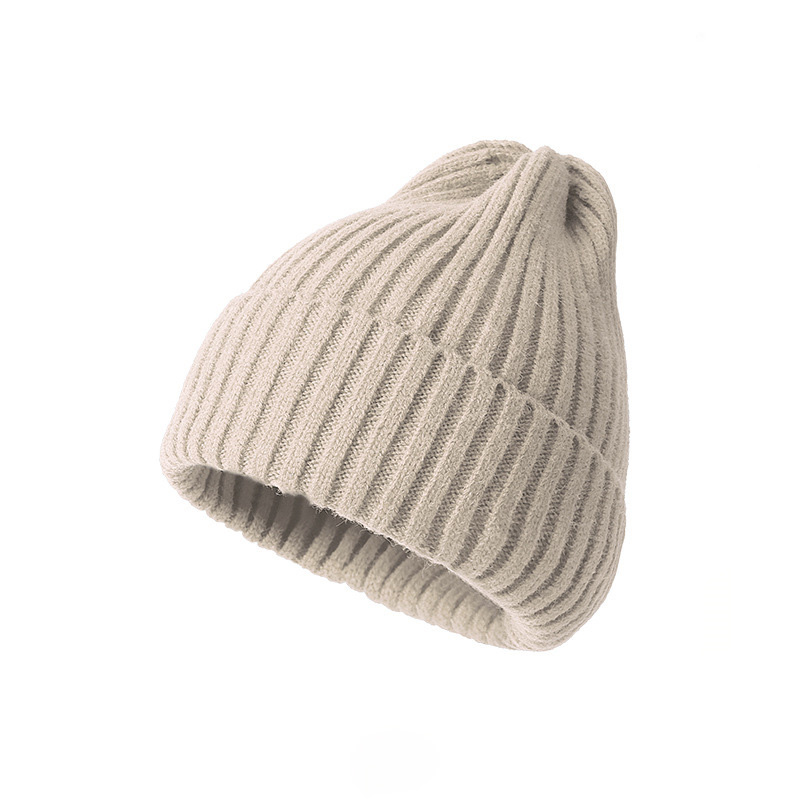
While experimenting, I discovered that colorwork adds an extra layer of yarn, which traps air and further enhances warmth. My fingering weight fair isle caps are surprisingly warm, even though they're made with a relatively thin yarn. This is because the colorwork creates a dense fabric with excellent insulation. I even found a similar knitted beanie made by WholeCustomDesign Online with great color options.
One of my favorite yarn types for super warm beanies is woolen spun worsted wool. Woolen spun yarn is lofty and traps a lot of air, which keeps you incredibly warm. It's also surprisingly lightweight and durable, making it perfect for everyday wear. I’ve used it for several projects, and the results have always been fantastic. The beanies are warm, comfortable, and hold their shape well. I consider it one of my go-to choices for winter knits.
Here are some practical tips I've learned over the years for knitting a super warm beanie: